Every morning in Kirehe District, thousands of young people wake up facing the same silent struggle — the desire to work, the hunger to contribute, and too often, no clear path forward. They are capable. They are willing. But without access to practical skills, many find themselves stuck in cycles of poverty and dependence that feel impossible to break.
At International Samaritan's Heart Rwanda, we believe that one of the most powerful things you can give a young person is not just food for today, but a skill that feeds them for a lifetime. That conviction drives our vocational training programs in Kirehe and the surrounding communities of Eastern Rwanda.
This post is a comprehensive guide to the skills training landscape available to youth in Kirehe, from government-backed national programs to faith-based community initiatives like ours, and why investing in youth empowerment is one of the most urgent priorities of our time.
Why Skills Training Matters More Than Ever in Rwanda
Rwanda's youth population is enormous. Young people between the ages of 16 and 30 make up over 60% of the country's total population, and that number continues to grow. Yet despite remarkable progress in education enrollment, a significant gap remains between what young people learn in school and what the job market actually needs.
According to Rwanda's National Institute of Statistics (NISR), the youth unemployment rate stood at approximately 16.4% in 2025, significantly higher than the adult unemployment rate. In Eastern Province communities like Kirehe, the challenge is compounded by limited urban economic activity, fewer formal employers, and large numbers of vulnerable populations, including refugees at Mahama Camp who are also seeking skills and livelihoods.
A 2024 labour force report noted that while education levels have been improving nationally, many young Rwandans, particularly in rural areas, are not gaining the practical, market-relevant skills that employers and self-employment actually require. The result is a generation of talented but underutilised young people.
This is exactly the gap that skills training programs exist to fill.
The National Framework: Rwanda's TVET System
Before exploring local programs, it helps to understand the national structure supporting skills development in Rwanda. The Rwanda TVET Board (RTB), operating under the Ministry of Education, coordinates Technical and Vocational Education and Training (TVET) programs from Level 1 through Level 5 on the Rwanda Training Qualifications Framework (RTQF).
Rwanda's TVET system has grown substantially since 2008 and now includes a network of Integrated Polytechnic Regional Colleges (IPRCs) and vocational training centres across all 30 districts. The goal is to equip young Rwandans with trade-specific, hands-on qualifications that lead directly to employment or self-employment.
One major breakthrough in recent years was the Rwanda Priority Skills for Growth (PSG) Program, a partnership between the World Bank and the Government of Rwanda. Launched in 2017, the program expanded short-term training to nearly 24,000 youth — with over one-third being women — and achieved an impressive result: 82% of graduates were employed or self-employed just nine months after finishing training. That is not a small number. It is proof that skills training, done right, works.
The PSG also established a Skills Development Fund (SDF), which supports employer-led vocational training, apprenticeships, and rapid-response skills programs for out-of-school youth. Young people in Kirehe can potentially benefit from these national funding streams when enrolled through accredited local programs.
Skills Training in Kirehe: What's Available on the Ground
- Vocational Training at International Samaritan's Heart, Rwanda
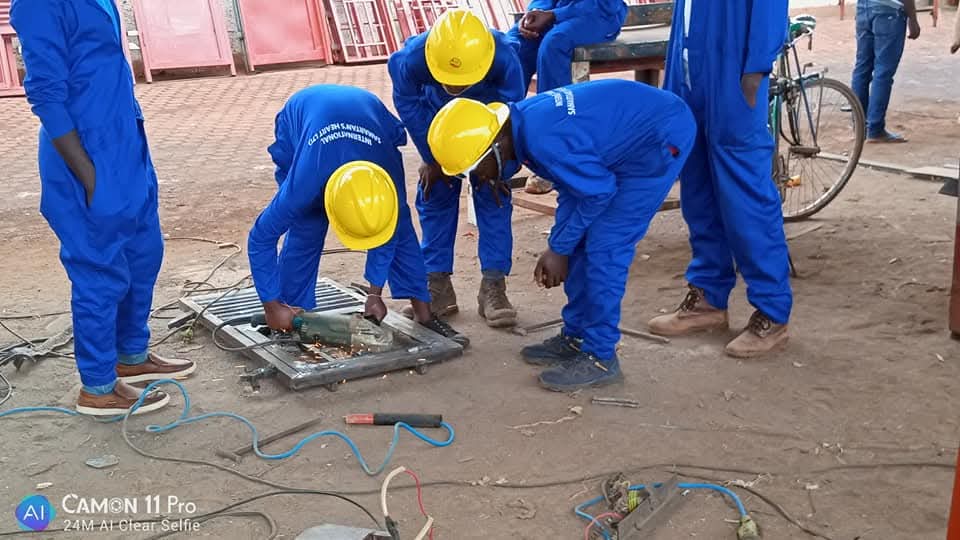
Our own vocational training programs sit at the heart of what we do in Kirehe and the broader Eastern Province. We offer hands-on, practical skills training tailored to the real economic needs of our communities, with a particular focus on:
Tailoring and fashion design — One of our most transformative programs. Graduates learn to cut, sew, and design garments, enabling them to work independently or set up small tailoring businesses. As our graduate Grace M. shared: "Thanks to the tailoring program, I can now support my family and have hope for a brighter future." That is not a testimony of charity — it is a testimony of capability unlocked.
Skills for widows and single mothers — We specifically design our programs to include vulnerable women who are often left out of mainstream training. Because when a mother gains a skill, the whole family rises.
Entrepreneurship and small business basics — Alongside trade skills, participants receive guidance on managing income, serving customers, and growing a micro-business.
Our approach is different from purely academic training because it is rooted in relationships. We walk alongside our participants throughout their journey from enrollment to graduation and beyond.
- Mahama Refugee Camp Youth Programs (Kirehe District)
Kirehe is also home to Mahama Refugee Camp, one of Rwanda's largest refugee settlements. The camp presents a unique context where both refugee youth and the surrounding Rwandan host community youth need access to skills and economic opportunities.
Organisations like Educate! have worked in partnership with the Rwandan government to embed entrepreneurship and critical thinking into education, including at refugee camp settings. One powerful story comes from Mahama itself: Dieudonne, a refugee from Burundi placed at Mahama Camp, joined Educate! program and eventually grew his own food production business — moving from dependency to economic agency.
The camp's ecosystem also supports programs funded through the UNHCR and various NGOs offering livelihood training in areas like construction, agribusiness, and digital literacy. For Rwandan youth in the areas surrounding Mahama, these programs sometimes offer spillover access and community-integrated training opportunities.
- Government Sector Training Centres in Eastern Province
The Rwanda TVET Board accredits a number of public Vocational Training Centres (VTCs) that serve youth in Eastern Province. These offer multi-month programs in trades, including:
- Masonry and construction
- Electrical installation
- Plumbing and sanitation
- Hairdressing and beauty therapy
- Motor vehicle mechanics
- Computer applications and basic ICT
Fees at government VTCs are typically subsidised, and in some cases, scholarships or bursaries are available for the most vulnerable youth. Parents and young people in Kirehe are encouraged to contact their local sector office (akagari) or the District Education Officer for referrals and enrollment information.
- Faith-Based and Community Training Initiatives
Across Rwanda, faith-based organisations have long played a critical role in reaching youth who fall through the cracks of formal systems — those who dropped out of school early, those from extremely poor families, those dealing with trauma or social exclusion.
At International Samaritan's Heart Rwanda, our faith-based model means we approach youth empowerment holistically. We do not just train hands — we also invest in hearts and minds. Our programs integrate:
- Spiritual encouragement — grounded in the belief that every young person has God-given dignity and purpose
- Mentorship and follow-up — participants are not abandoned after graduation
- Community integration — we connect graduates with local markets, churches, and networks
This holistic approach reflects the spirit of the Good Samaritan parable that defines our identity. The Good Samaritan did not just give money; he accompanied the wounded man, ensured his full recovery, and came back to check on him. That is the model we follow. Learn more about who we are and why we do this work.
The Specific Challenges Youth Face in Kirehe
Understanding why skills training is urgent requires understanding the local context. Kirehe District, located in Eastern Province near the Tanzanian border, faces a set of challenges that are distinct from urban settings like Kigali:
Geographic isolation — Many communities are far from the district capital and lack reliable transportation to reach training centres. This is why local, community-embedded programs like ours matter so much. We bring training to the people, not the other way around.
Poverty and school dropout — Young people from extremely poor families often leave school before completion in order to help earn income. Once out of school, re-entry is difficult. Short-term, practical vocational programs offer a viable alternative pathway.
Gender barriers — Young women in Kirehe face additional obstacles, including early marriage, domestic responsibilities, and social expectations that limit their mobility. Our programs are specifically designed to create safe and supportive spaces for women and girls to train and thrive.
Limited access to capital — Even after gaining skills, graduates often lack the startup capital to launch a business. This is why we work to connect graduates with microfinance options and provide basic tools and equipment where possible.
Trauma and vulnerability — Kirehe hosts a large population of refugees and returnees, many of whom carry deep trauma. Skills training must be accompanied by emotional and spiritual support to be truly effective.
How Skills Training Transforms Entire Communities
When one young person gains a skill, the ripple effect is profound. Here is what we have seen happen in Kirehe and surrounding communities:
Economic independence — A trained tailor can earn income within weeks of graduation. That income pays school fees, buys food, and reduces dependence on handouts.
Reduced vulnerability to exploitation — Young people without income and prospects are vulnerable to exploitation, trafficking, and radicalisation. A skilled, employed young person has agency and dignity.
Stronger families — When mothers and fathers have viable livelihoods, children are better nourished, better educated, and more emotionally secure.
Community cohesion — Workshops and training groups become places of community building, where youth from different backgrounds — Rwandan and refugee, Christian and Muslim work and grow together.
A multiplier effect — Graduates often go on to train others informally, or employ other youth in their growing businesses. One skill, multiplied many times over.
At International Samaritan's Heart Rwanda, we have empowered 500+ youth through our programs so far, and we are just getting started. Every graduate is a living testimony of what is possible when a community chooses to invest in its young people.
How You Can Support Skills Training in Kirehe
If you are reading this and feel moved to act, there are several meaningful ways to get involved:
Donate — Your financial gift directly funds training materials, instructor salaries, and equipment for our vocational programs. Even a small contribution makes a real difference.
Partner with us — If you represent a church, business, or organisation looking to invest in sustainable community development in Rwanda, we would love to explore a partnership. To learn more about our partnership model.
Volunteer — If you have a skill, such as tailoring, carpentry, business, or healthcare, consider giving time to teach it. Skills are the most portable gift you can offer.
Refer a young person — Do you know a youth in Kirehe or Eastern Rwanda who needs skills training? Reach out to us directly at internationalsamaritanheart@gmail.com or call +250 789 533 167. We will do our best to connect them with the right program.
Pray — For those who share our faith, prayer is the foundation of everything we do. Pray for the youth of Kirehe that they would find hope, purpose, and the skills to build a better future.
The Most Urgent Investment of Our Time
In Rwanda, the youth question is not a side issue; it is the central issue. With over 60% of the population under 30, the decisions made today about skills, training, and youth investment will shape the country's trajectory for decades to come.
In Kirehe, where vulnerability is high and resources are often thin, the work of organisations like International Samaritans' Heart Rwanda is not a luxury; it is a lifeline. Every young person we train is one fewer person trapped by poverty, one more family with hope, one more voice saying: "I can. I will. I did."
The story of the Good Samaritan was never just about one act of help on a road to Jericho. It was about choosing to see the person in front of you, crossing the distance between worlds, and doing something. That is what skills training does. It crosses the distance between potential and possibility.
We invite you to be part of that story.
International Samaritan's Heart Rwanda operates in Kirehe District, Eastern Province. To learn more about our programs, explore what we do.
Phone: +250 789 533 167 | Email: internationalsamaritanheart@gmail.com
How to Volunteer in Rwanda with a Faith-Based NGO in 2026 | International Samaritan's Heart
How Community-Based Healthcare Is Saving Lives in Rwanda
Related Articles
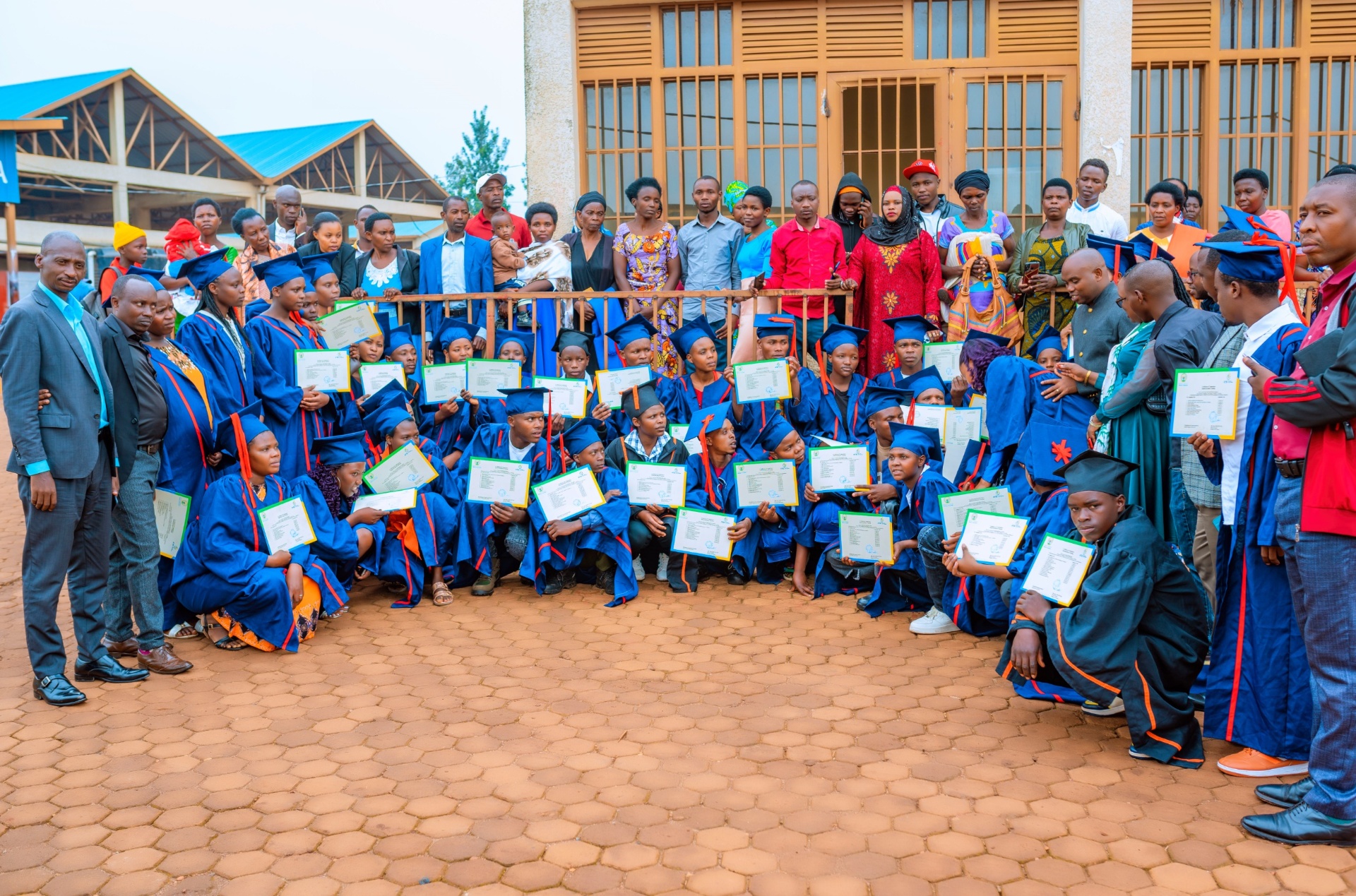
Graduation Ceremony Celebrates New Skilled Youth
A large graduation ceremony celebrated dozens of youth who completed vocational training programs.
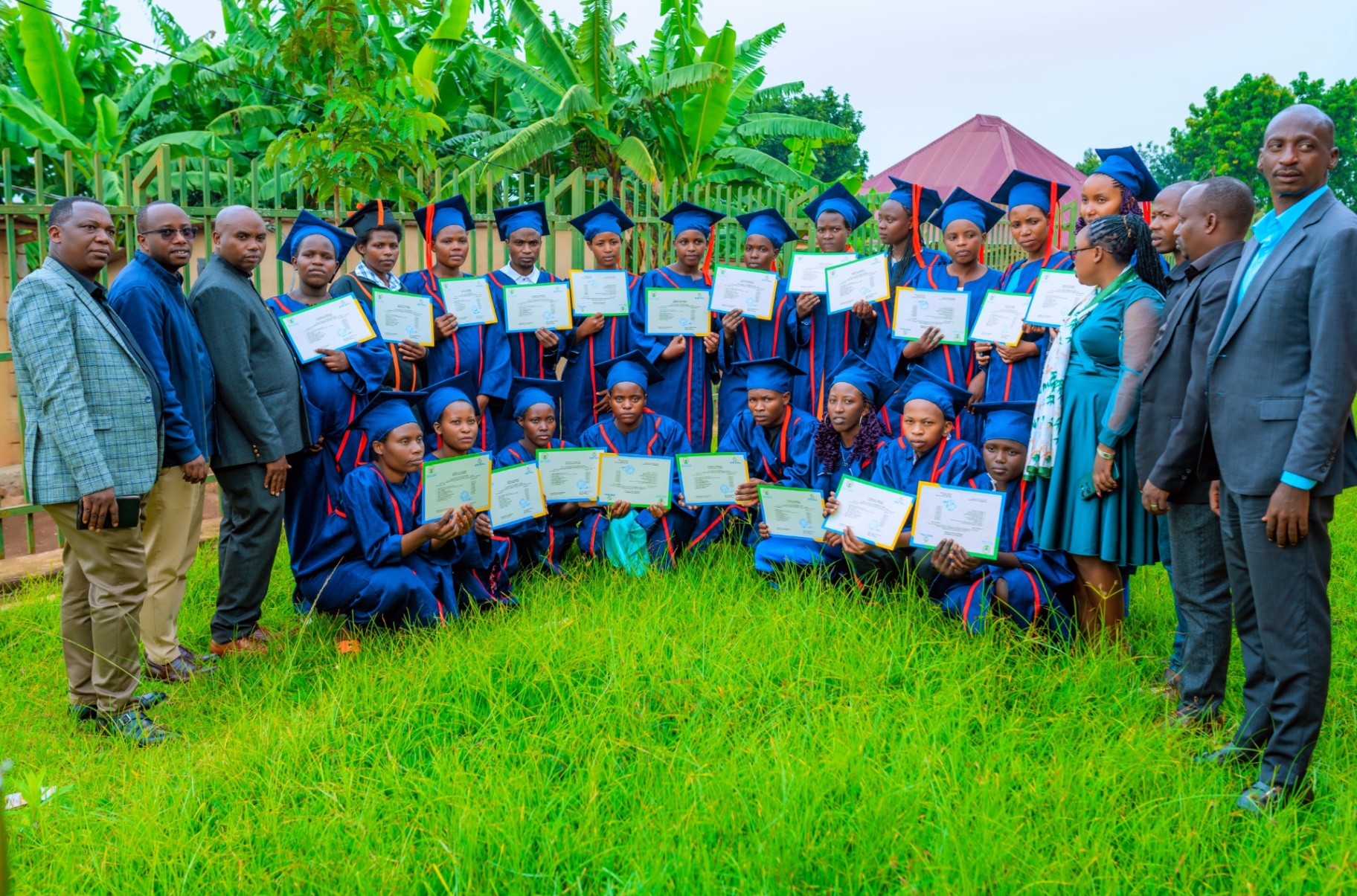
New Tailoring Graduates Ready to Transform Their Lives
Our latest cohort of tailoring students have completed their training and are now equipped to start their own businesses and support their families.