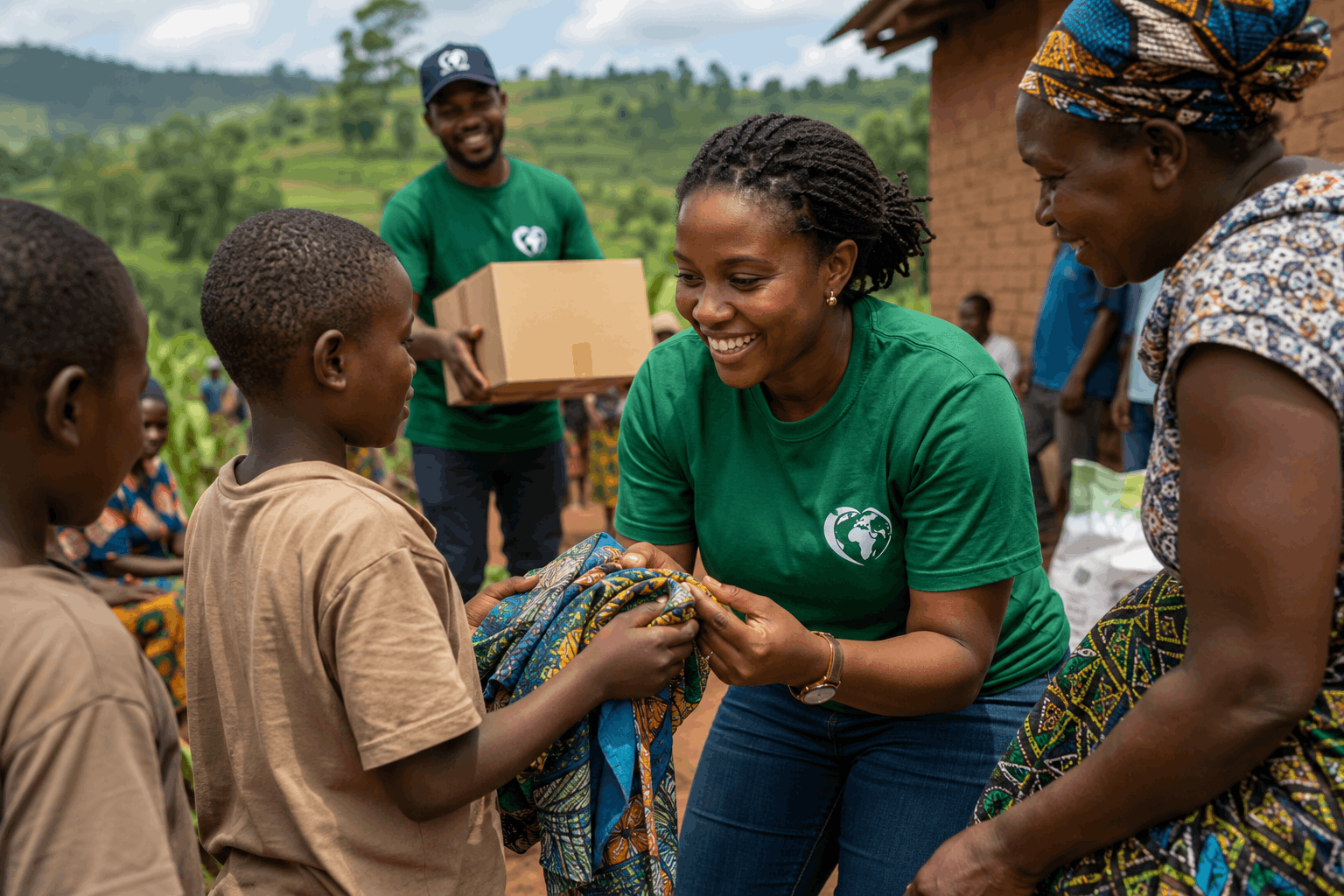
Rwanda is one of Africa's most remarkable stories of resilience, transformation, and community-driven development. Beneath the country's well-documented economic progress and clean streets of Kigali lies a deeper reality — thousands of families in rural districts like Kirehe still face daily challenges that no government policy alone can fully address. Widows raising children without income. Youth leaving school with no skills and no path forward. Families walk for hours to reach the nearest health facility. This is exactly where faith-based volunteers make a difference that is lasting, personal, and spiritually grounded.
If you are searching for a meaningful volunteer experience in Rwanda in 2026, one that goes beyond tourism and connects you to real community transformation, this guide is written for you. Whether you are a student, a healthcare professional, a skilled tradesperson, a church member, or simply someone who feels called to serve, International Samaritan's Heart Rwanda offers a structured, faith-rooted pathway to do exactly that.
Why Rwanda? Why Now?
Rwanda has achieved extraordinary progress since 1994. The country consistently ranks among Africa's fastest-growing economies, with strong governance, low corruption, and a culture of community service embedded in the national practice of Umuganda — monthly community work days where citizens come together to build, clean, and repair their shared spaces.
Yet progress at the national level does not always reach the most remote communities quickly enough. Eastern Province districts like Kirehe — where International Samaritan's Heart is based — still face significant gaps in vocational training access, healthcare infrastructure, and social support for vulnerable populations, including widows, orphans, and the elderly.
This is precisely why volunteer engagement in Rwanda is not charity tourism. It is a partnership. When skilled, compassionate people bring their time, expertise, and faith into communities like Kirehe, the impact compounds — training one young woman in tailoring creates income that feeds her children and reduces her dependence on emergency food aid. Holding a health clinic in a rural village saves lives that statistics never capture. Teaching practical skills to orphaned youth changes the entire trajectory of a family line.
Rwanda's government actively encourages development partnerships and maintains a clear framework for NGOs and volunteers operating in the country. The Rwanda Governance Board (RGB) oversees NGO registration and compliance, and international volunteers are welcomed within that framework.
About International Samaritan's Heart Rwanda
International Samaritan's Heart Rwanda is a Christian humanitarian organization inspired by the parable of the Good Samaritan in Luke 10:30–37. The organization's founding conviction is simple but profound — that faith without action is incomplete, and that serving the vulnerable is one of the most direct expressions of the Gospel.
Based in Kirehe District in Eastern Rwanda, the organization works across five core program areas: food and essential support, community-based healthcare services, vocational training for youth, emergency relief and crisis response, and evangelism and discipleship. Each of these areas creates specific volunteer opportunities for people with different skills, backgrounds, and availability.
The organization has already empowered over 500 youth, supported more than 200 families, provided healthcare access to over 1,000 individuals, and reached more than 50 communities. These are not abstract numbers — they represent real people whose lives have shifted direction because someone chose to show up.
You can learn more about the organization's work and mission directly at internationalsamaritanheart@gmail.com or by calling +250 789 533 167.
Who Can Volunteer with International Samaritan's Heart?
One of the most important things to understand about faith-based volunteering in Rwanda is that it is not reserved for people with advanced degrees or specialized expertise. International Samaritan's Heart welcomes volunteers across a wide spectrum of backgrounds, provided they share a genuine commitment to serving others and respect the organization's Christian values and community-centered approach.
Local Rwandan Volunteers
Rwandan citizens, students, young professionals, church members, and retired individuals are warmly encouraged to get involved. Local volunteers bring irreplaceable value: they speak Kinyarwanda, understand the cultural context, can build trust with beneficiaries quickly, and often become long-term community anchors for the programs.
University students studying social work, public health, nursing, education, or theology in Kigali and other cities will find that volunteering with International Samaritan's Heart offers genuine hands-on field experience that no classroom can replicate.
International Volunteers
International volunteers from Europe, North America, Asia, and elsewhere are equally welcome. Rwanda is a safe, accessible country for international visitors, with a well-functioning visa system. Most nationalities can obtain a visa on arrival or through the Rwanda Directorate General of Immigration, and the country's English and French bilingualism makes communication straightforward for most Western volunteers.
International volunteers are particularly impactful in areas like healthcare delivery, skills training, construction and infrastructure support, digital literacy, and organizational capacity building.
Church Groups and Mission Teams
International Samaritan's Heart actively partners with churches and Christian mission teams who want to bring a group of volunteers for a structured short-term mission. If your church is looking for a credible, organized partner in Rwanda for a 2026 or 2027 mission trip, this organization offers a clear partnership pathway with defined program areas where your team can contribute meaningfully.
Volunteer Program Areas: Where Your Skills Fit
Understanding where you can contribute helps you approach your application with clarity and makes the placement process smoother for both you and the organization.
Healthcare and Medical Volunteering
Rwanda has made significant gains in healthcare access, but rural Eastern Province communities still face real barriers. Volunteer healthcare professionals, doctors, nurses, clinical officers, pharmacists, mental health practitioners, and community health educators can support community health outreach clinics, health education sessions, maternal and child health programs, and support for individuals living with chronic illness.
Even non-medical volunteers can contribute meaningfully in this area by helping with logistics, community mobilization, translation, and administrative support during health camps.
Vocational Skills Training
The tailoring program is one of International Samaritan Heart's most impactful initiatives, and skilled trainers in tailoring, sewing, and garment production are always needed. But the vocational training needs extend beyond fashion. Volunteers with skills in carpentry, electronics repair, soap making, agriculture, baking, computer literacy, and small business management can all contribute to empowering youth with marketable skills.
The goal is not dependency, it is economic self-sufficiency. Every skill transferred to a young person in Kirehe is a skill that stays in the community long after the volunteer has returned home.
Education and Youth Mentorship
Volunteers with a background in teaching, tutoring, youth work, or mentorship can engage with the organization's youth programs. This includes literacy support, after-school tutoring, life skills sessions, and one-on-one mentorship for young people who lack stable adult role models.
For youth who have grown up without parents or in extreme poverty, the presence of a consistent, caring adult mentor can be transformative in ways that go far beyond academic performance.
Food Distribution and Emergency Relief
During food distribution events and emergency relief responses, volunteers support logistics, beneficiary registration, crowd management, dignity-centered distribution, and post-distribution follow-up. This requires no specialized skill, just a servant heart, physical energy, and genuine care for the people being served.
Evangelism and Discipleship
For volunteers motivated by the spiritual dimension of the mission, opportunities exist to participate in Gospel-sharing activities, prayer ministry, Bible study facilitation, and discipleship support within the communities the organization serves. This is always done with cultural sensitivity and respect, following the example of the Good Samaritan — serving first, sharing naturally.
Step-by-Step: How to Volunteer with International Samaritan's Heart Rwanda in 2026
Step 1: Discern Your Motivation and Availability
Before reaching out, take time to honestly assess why you want to volunteer and what you are realistically able to commit. Are you available for one week, one month, or longer? Do you want to come as an individual or as part of a group? Are you looking for a specific program area, or are you open to wherever the need is greatest?
Clarity at this stage makes the placement process faster and ensures you are matched to an opportunity where you can genuinely contribute rather than simply observe.
Step 2: Research the Organization Thoroughly
Read through everything available about International Samaritan's Heart Rwanda — their programs, their values, their community context. Understand that this is a faith-based organization operating from a specific Christian worldview. Volunteers who respect and align with this foundation tend to integrate more effectively and leave a more lasting impact.
Step 3: Make Initial Contact
Reach out directly to the organization via email at internationalsamaritanheart@gmail.com or by phone at +250 789 533 167. In your first message, introduce yourself clearly — share your background, your skills, your availability, your motivation, and what program area you are most interested in supporting.
Be specific. A message that says "I want to help" is much less actionable than one that says "I am a registered nurse available for three weeks in August 2026, and I am interested in supporting your community health outreach work."
Step 4: Complete the Volunteer Application Process
The organization will guide you through its specific application requirements. Be prepared to provide personal identification, a brief statement of faith or values alignment, professional credentials where relevant (especially for healthcare volunteers), and references or a recommendation letter — particularly if you are applying through a church or sending organization.
International volunteers should also ensure their travel documents are in order well in advance. Rwanda visa information is available through the Rwanda Directorate General of Immigration.
Step 5: Plan Your Logistics
Kirehe District is located in Eastern Rwanda, approximately 130 kilometres from Kigali. The journey by road takes roughly two to three hours depending on traffic and road conditions. International volunteers flying into Kigali International Airport will need to arrange onward transport to Kirehe, which can be done by bus, hired vehicle, or through coordination with the organization.
Accommodation in Kirehe is available at local guesthouses and mission facilities. The organization can advise on trusted accommodation options during the placement process. Budget travelers should note that Kirehe is significantly more affordable than Kigali, and living costs for volunteers in the district are modest.
Step 6: Prepare Culturally and Spiritually
Rwanda is a warm, welcoming country, but effective volunteering requires genuine cultural humility. Learn basic Kinyarwanda greetings before you arrive — even a few words like muraho (hello) and murakoze (thank you) open doors and build trust immediately. Dress modestly, particularly in rural community settings. Observe before you lead. Listen before you speak.
Spiritually, prepare yourself through prayer, reflection, and honest examination of your motivations. The most effective faith-based volunteers are those who arrive expecting to receive as much as they give.
Step 7: Serve, Reflect, and Stay Connected
During your placement, engage fully. Show up consistently. Be present not just physically but emotionally and spiritually. Take time each day to reflect on what you are observing and experiencing. Journal if that helps you process.
When your placement ends, stay connected. Share your experience with your home community — your church, your university, your network. Advocate for the communities you served. Consider recurring financial support. The most powerful volunteer experiences do not end when the plane takes off — they continue to ripple outward for years.
What to Bring: Practical Packing Guide for Rwanda Volunteers
- Modest, lightweight clothing suitable for both community work and worship settings
- Sturdy, closed-toe shoes for field visits and outdoor activities
- Personal medication and a basic first-aid kit
- Sunscreen and insect repellent
- A reusable water bottle and water purification tablets
- Any professional tools relevant to your program area (medical supplies, teaching materials, sewing notions for vocational trainers)
- A Bible or devotional material, if relevant to your spiritual preparation
- Modest gifts for community members are welcome but not required — practical items like notebooks, pens, or hygiene supplies are always appreciated
Common Mistakes First-Time Volunteers Make in Rwanda
Arriving with a savior mindset rather than a servant mindset. Communities in Kirehe are not waiting to be rescued; they are resilient, resourceful, and deeply capable. Your role is to come alongside, not to lead from above. Volunteers who approach their placement with humility consistently report more meaningful experiences and greater actual impact.
Underestimating the time needed for relationship-building. In Rwandan culture, trust is built slowly and through consistent presence. Volunteers who expect to arrive and immediately see a dramatic change often leave frustrated. Those who invest in quiet, consistent relationship-building create foundations that outlast their visit.
Ignoring health precautions. Malaria prophylaxis is strongly recommended for Eastern Rwanda. Visit a travel health clinic at least four to six weeks before your departure to ensure you have the right vaccinations and medication. The World Health Organization Rwanda country page provides current health advisories for the region.
Over-photographing beneficiaries. Taking photos of vulnerable community members — especially children without proper consent and sensitivity is a serious ethical issue that can harm the dignity of the people you are there to serve. Always ask. Always respect a refusal.
Leaving without a follow-up plan. The most common mistake is treating volunteering as a one-time transaction. Sustainable impact requires ongoing financial support, advocacy, prayer, and relationship maintenance with the organization after you return home.
FAQ: Volunteering in Rwanda with a Faith-Based NGO
Do I need to be a Christian to volunteer with International Samaritan's Heart? The organization operates from a Christian faith foundation, and volunteers are expected to respect its values and culture. While the organization welcomes people from various backgrounds, those who share or genuinely respect the Christian humanitarian motivation will integrate most effectively.
How long should my volunteer placement be? There is no single right answer. Short-term placements of one to two weeks are possible and valuable, particularly for specific skills-transfer projects. Medium-term placements of one to three months allow for deeper relationship-building and more sustained program contribution. The organization can help you identify the most appropriate commitment length based on your skills and availability.
Is Rwanda safe for international volunteers? Rwanda is consistently ranked among the safest countries in Africa for travelers and foreign residents. Kigali regularly appears on lists of Africa's safest cities, and Kirehe District is a stable, peaceful community. Standard travel precautions apply, but volunteers from Europe, North America, and elsewhere regularly report feeling very safe throughout their placement.
Will I need to speak Kinyarwanda? Not fluently, but learning basic greetings and common phrases will significantly enrich your experience and your relationships with community members. The organization's local staff and community liaisons can provide translation support for program activities.
Can my church send a mission team? Yes. International Samaritan's Heart actively welcomes church mission teams and can help structure a meaningful program for groups. Contact the organization directly to discuss dates, group size, program focus, and logistics.
Conclusion: The Call to Go and Do Likewise
The parable of the Good Samaritan ends with three words that have challenged and inspired believers for two thousand years: go and do likewise. Not someday. Not when conditions are perfect. Not until you have figured everything out. Now.
Volunteering with International Samaritan's Heart Rwanda in 2026 is an invitation to answer that call in a specific, practical, community-rooted way. Whether you give one week or one year, whether you bring medical expertise or simply a willing pair of hands and an open heart, your presence in Kirehe will matter — to the youth being trained, to the families being fed, to the sick being cared for, and to your own understanding of what it means to live a life of purposeful service.
Reach out today. Email internationalsamaritanheart@gmail.com or call +250 789 533 167. Share this post with your church, your small group, your network. The need is real. The door is open. The question is simply whether you will walk through it.
How Tailoring Skills Are Helping Young Women Escape Poverty in Rwanda
Youth Skills Training in Kirehe, Rwanda | International Samaritan's Heart
Related Articles
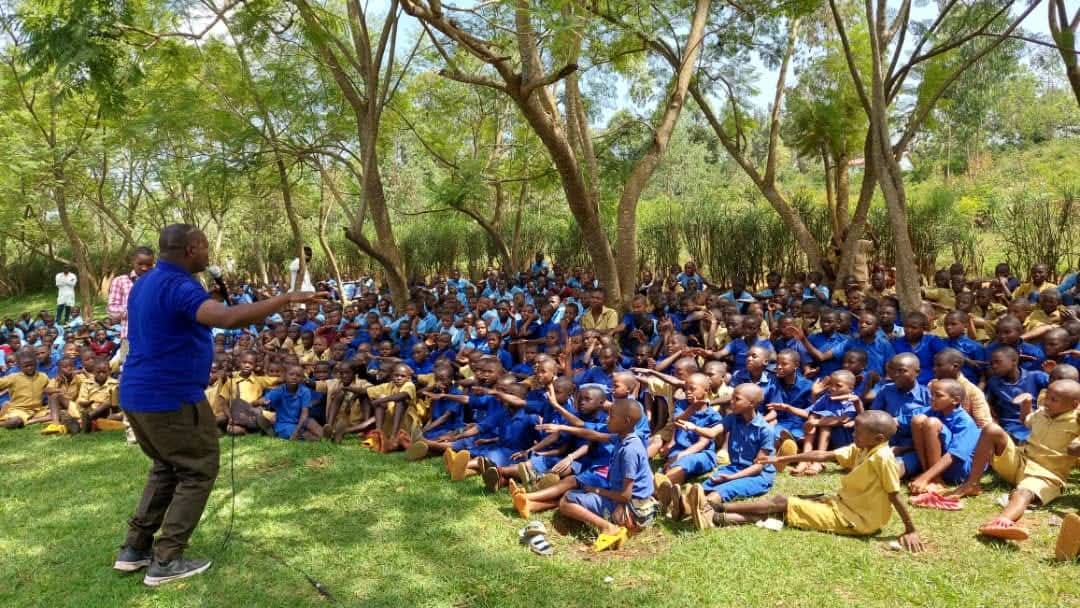
Community Outreach Brings Hope to Rural Families
Our team visited remote communities to provide material support and spiritual encouragement to families in need.
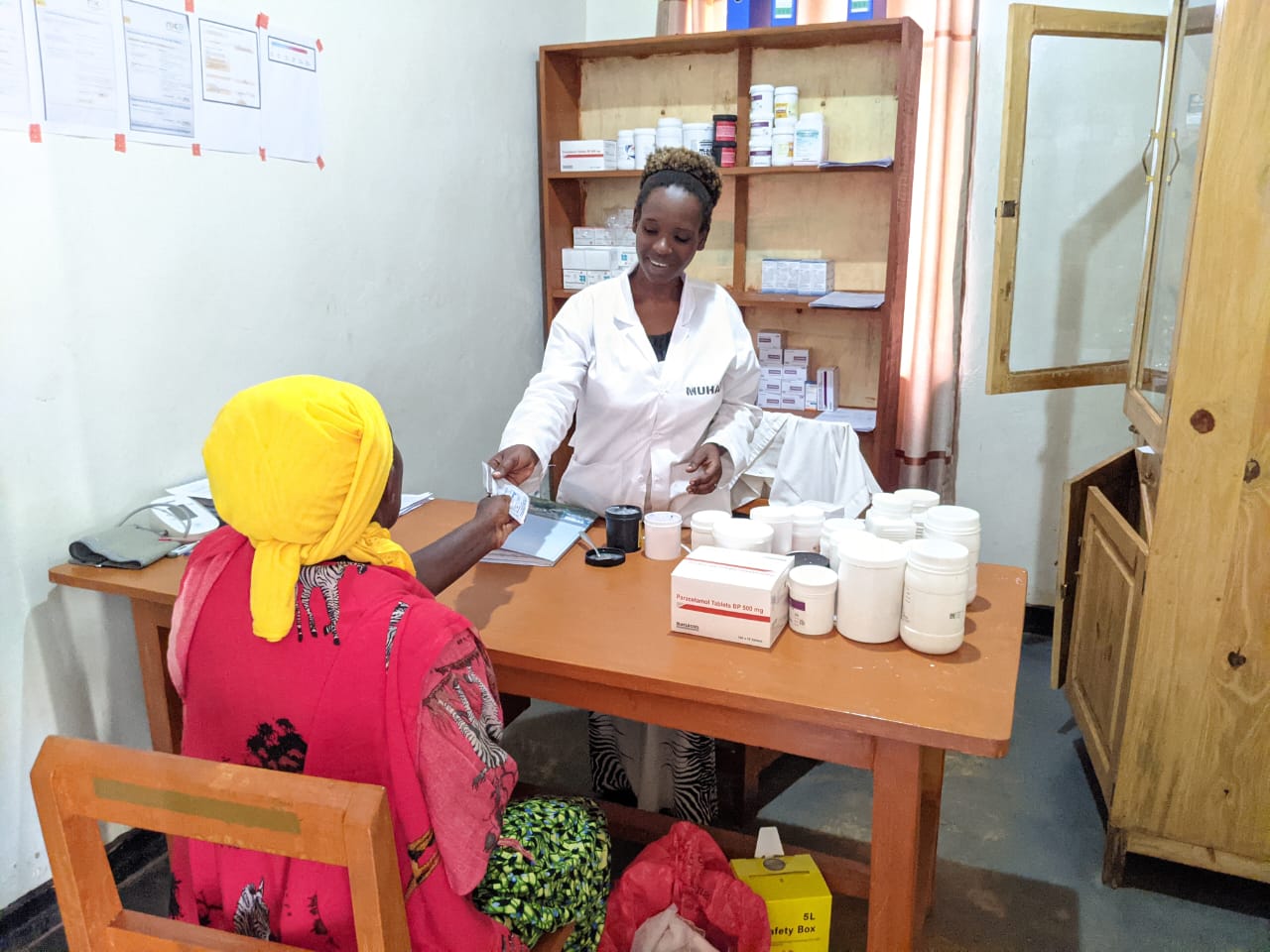
Hope for Muhamba: Supporting Rural Health and Families in Rwanda
Learn how International Samaritan’s Heart is improving healthcare, nutrition, and education in Muhamba, Rwanda.