Rwanda is one of Africa's most remarkable success stories. In just three decades, this small landlocked nation has transformed itself from the ashes of genocide into one of the continent's fastest-growing economies. Yet beneath the surface of this remarkable progress lies a persistent challenge: youth unemployment and poverty in rural communities remain among the most pressing issues facing the nation today.
The answer to this challenge is not charity alone. It is not food handouts or temporary relief — though these have their place. The most powerful, lasting solution is skills training and vocational education. At International Samaritan's Heart Rwanda, we have witnessed firsthand how equipping a young person with a practical skill can transform not just one life, but an entire family and community.
This blog post explores why skills training is, without question, the single best investment Rwanda can make in its future — and how organizations, governments, donors, and communities can all play a role.
The Scale of Youth Unemployment in Rwanda
Before we understand the solution, we must understand the scale of the problem.
According to the World Bank, Rwanda has made extraordinary strides in reducing extreme poverty, cutting the poverty rate significantly since the early 2000s. However, youth unemployment and underemployment remain significant barriers to sustained development, particularly in rural areas.
The Rwanda National Institute of Statistics reports that a large proportion of Rwanda's population is under the age of 35. This "youth bulge" presents both an enormous opportunity and a serious risk. If Rwanda's youth are educated, skilled, and employed, they become the engine of economic growth. If left unemployed and without direction, they become vulnerable to poverty, exploitation, and social instability.
The challenge is compounded by the fact that Rwanda's formal education system, while improving, does not always equip graduates with the practical, market-relevant skills that employers and entrepreneurs need. Many young people leave school with theoretical knowledge but no ability to earn a livelihood.
This is the gap that vocational skills training fills — and fills powerfully.
What Is Vocational Skills Training?
Vocational skills training, also known as Technical and Vocational Education and Training (TVET), refers to education that equips learners with specific, practical skills for a particular trade or profession. Unlike traditional academic education, TVET focuses on hands-on learning that prepares a person to enter the workforce or start a business immediately upon completion.
Common vocational training programs in Rwanda include:
- Tailoring and fashion design
- Carpentry and furniture making
- Plumbing and construction
- Electrical installation
- Agriculture and agribusiness
- Computer and digital literacy
- Hospitality and tourism
- Hairdressing and beauty therapy
The Rwanda TVET Policy recognizes vocational training as a cornerstone of national development, aiming to produce a skilled workforce capable of supporting Rwanda's Vision 2050 goals. International organizations like UNICEF Rwanda and the International Labour Organization (ILO) have both emphasized the critical role of TVET in reducing youth unemployment across Sub-Saharan Africa.
7 Reasons Why Skills Training Is Rwanda's Best Investment
1. It Breaks the Cycle of Poverty — Permanently
Poverty is not just about lacking money. It is about lacking the means to generate money. When a young woman learns tailoring, she does not just receive a temporary income boost — she gains a lifelong ability to earn. She can take on clients, train others, open a small shop, and eventually employ people in her community.
This is fundamentally different from food aid or cash transfers, which — while necessary in crisis situations — do not build long-term economic independence. Skills training attacks the root cause of poverty: the absence of productive capacity.
Research by the African Development Bank consistently shows that every additional year of relevant skills education increases an individual's earning potential significantly, with compounding effects over time.
2. It Empowers Women and Reduces Gender Inequality
In Rwanda, women make up over 50% of the population and play a central role in family life. Yet women — particularly in rural areas — often lack access to economic opportunities. Cultural barriers, limited education, and early marriage can trap women in cycles of dependence and poverty.
Vocational training is one of the most effective tools for women's economic empowerment. Programs in tailoring, hairdressing, agribusiness, and hospitality give women market-relevant skills they can use from home or in small enterprises. This not only increases household income but also raises women's social status and decision-making power within their families.
Organizations like UN Women Rwanda highlight vocational training as a key pillar of gender equality programming across the region.
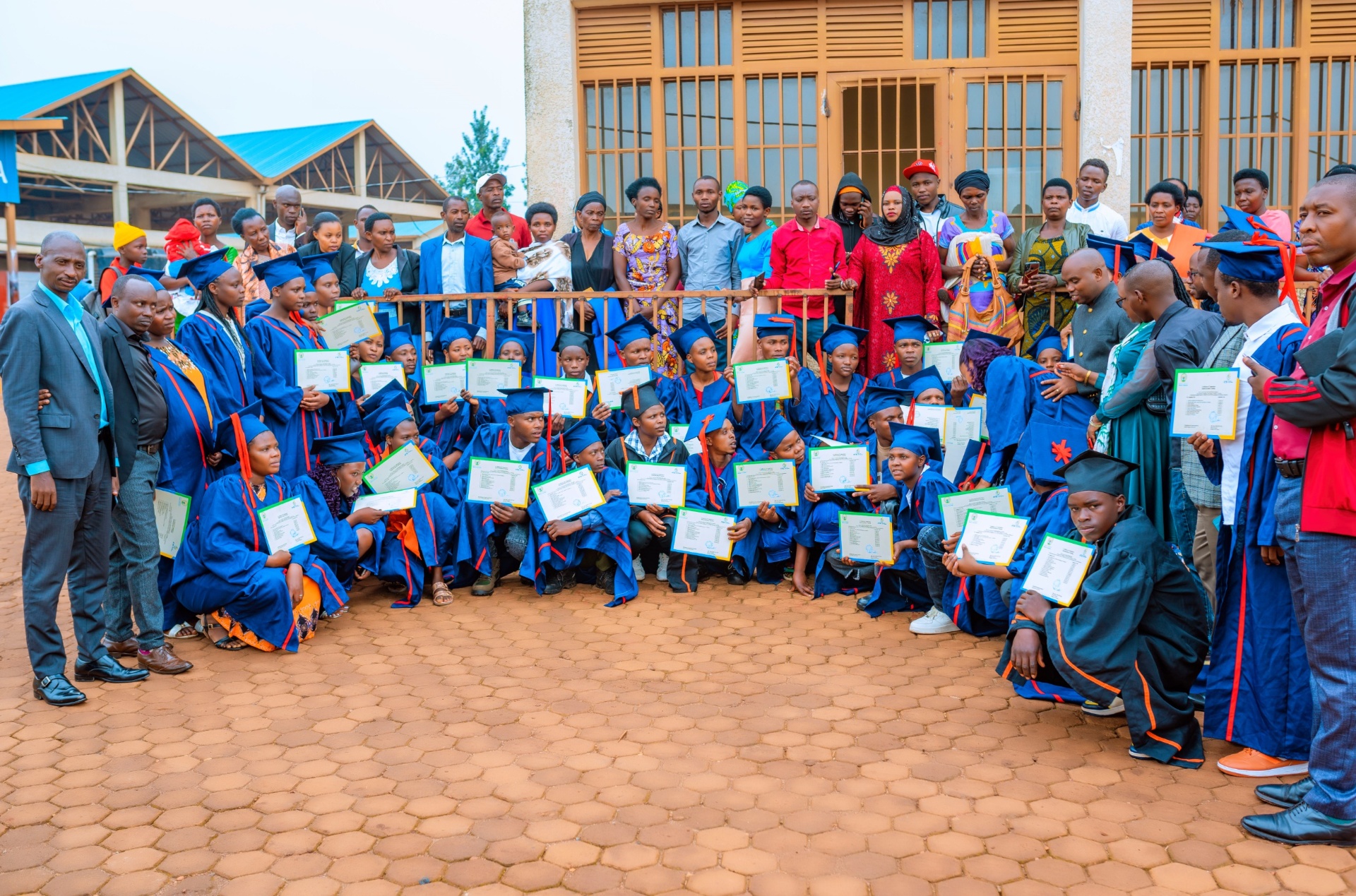
At International Samaritan's Heart Rwanda, we have seen widows, single mothers, and young women who came to us feeling hopeless leave with a skill, a certificate, and the confidence to build a new life. Their stories are a testament to the power of practical empowerment.
3. It Reduces Dependency on Aid
Rwanda has long been a recipient of international humanitarian aid — and while that aid has saved countless lives, it has also created a culture of dependency in some communities. Rwanda's own government has recognized this and has made reducing aid dependency a national priority under Vision 2050.
Skills training shifts communities from aid recipients to self-sufficient contributors. A community where young people are trained in construction, agriculture, and business does not need to wait for food distributions or cash handouts. It produces, it earns, it trades, and it grows.
This is not just good economics — it is deeply aligned with the Christian principle of restoring dignity. At International Samaritan's Heart, we believe every person is made in the image of God and deserves the dignity of meaningful work and self-sufficiency.
4. It Stimulates Local Economies
When a young carpenter in Kirehe District builds furniture, that furniture is sold in his community. The money he earns is spent at local markets, on school fees, and on healthcare. His business creates demand for raw materials, tools, and transport, all of which support other local businesses.
This multiplier effect means that one trained individual can stimulate economic activity far beyond his or her own household. Multiply this across hundreds of trained youth in a district, and you begin to see community-wide economic transformation.
The International Finance Corporation (IFC) notes that small and medium enterprises (SMEs) driven by skilled individuals are the backbone of Sub-Saharan African economies, accounting for the majority of employment and economic output.
5. It Supports Rwanda's Vision 2050 Goals
Rwanda has articulated an ambitious national vision: to become a middle-income, knowledge-based economy by 2050. This vision depends entirely on a skilled, productive, and innovative workforce.
The government's Economic Development and Poverty Reduction Strategy (EDPRS) explicitly identifies human capital development — including vocational training — as one of the pillars of national development. The Rwanda Development Board and Ministry of Education have both invested heavily in expanding TVET capacity across the country.
When NGOs like International Samaritan's Heart Rwanda run vocational programs, we are not working in isolation — we are directly supporting the national development agenda, filling gaps where government resources cannot reach, especially in remote and underserved communities.
6. It Reduces Social Vulnerability and Conflict Risk
Idle youth are vulnerable youth. Unemployment creates fertile ground for exploitation, recruitment into criminal activity, gender-based violence, and social unrest. This is not a Rwandan problem alone — it is a documented global phenomenon.
Skills training provides young people with purpose, structure, community, and hope. It gives them a reason to invest in their future rather than risk it. The United Nations Development Programme (UNDP) recognizes youth empowerment through skills and employment as a critical component of peacebuilding and conflict prevention in post-conflict societies.
In Rwanda's unique context — a nation still healing from the wounds of 1994 — equipping youth with skills and opportunity is not just economic policy. It is a peacebuilding policy.
7. It Multiplies Through Mentorship and Community Teaching
One of the most beautiful aspects of skills training is that it does not stay with one person. Trained individuals naturally become teachers and mentors. A woman who learns tailoring trains her daughters and neighbors. A carpenter takes on apprentices. A trained agriculturalist shares new techniques with fellow farmers.
This organic knowledge transfer means that the impact of one training program ripples outward through families and communities for years and decades. The return on investment of skills training is not just immediate; it compounds over generations.
How International Samaritan's Heart Rwanda Is Making a Difference
At International Samaritan's Heart Rwanda, inspired by the parable of the Good Samaritan in Luke 10:30–37, we believe that true service to our neighbors goes beyond meeting immediate physical needs. It means investing in their long-term flourishing.
Our vocational training programs are designed to:
- Identify vulnerable youth — including orphans, school dropouts, widows, and young people from extremely poor households
- Provide hands-on training in practical, market-relevant skills
- Offer business and entrepreneurship coaching so graduates can start and sustain small enterprises
- Connect graduates to markets and opportunities through networks and partnerships
- Integrate spiritual support and discipleship, because we believe wholeness includes the soul, not just the wallet
Our graduates are not statistics. They are real people with names and stories. Grace, who now runs her own tailoring business. Jeanne, a widow who found community, skills, and renewed hope. Hundreds of young people who came to us with nothing and left with a future.
"Thanks to the tailoring program, I can now support my family and have hope for a brighter future." — Grace Mutoni., Vocational Training Graduate
What Needs to Happen Next: A Call to Action
Rwanda's youth represent the nation's greatest asset — but only if they are equipped. Here is what every stakeholder can do:
For Donors and Partners: Support organizations like ours that are running evidence-based, community-rooted vocational training programs. Your investment does not just feed a family for a day — it transforms a life for a lifetime.
For the Government: Continue expanding TVET infrastructure and creating policy environments that recognize and accredit informal vocational training delivered by NGOs and faith-based organizations.
For Communities: Value skills training as a legitimate and honorable pathway to prosperity. Encourage young people — especially girls — to pursue vocational education without stigma.
For the Church: The body of Christ is called to serve the least, the last, and the lost. Practical skills training is one of the most powerful expressions of that calling. Partner with us and be part of the transformation.
Conclusion: Skills Are Seeds
In Rwanda's fertile soil, seeds grow quickly. The same is true of skills. Plant the seed of a practical skill in a young person's hands, and you will harvest a lifetime of productivity, dignity, and community transformation.
Skills training is not glamorous. It does not make headlines the way emergency food relief does. But quietly, persistently, and powerfully — it is changing Rwanda's future, one trained graduate at a time.
At International Samaritan's Heart Rwanda, we are proud to be part of this transformation. And we invite you to join us.
What It Means to Be a Good Samaritan Today
How Your Donation Transforms a Life
How Faith-Based Organizations Respond to Disasters in Rwanda
Related Articles
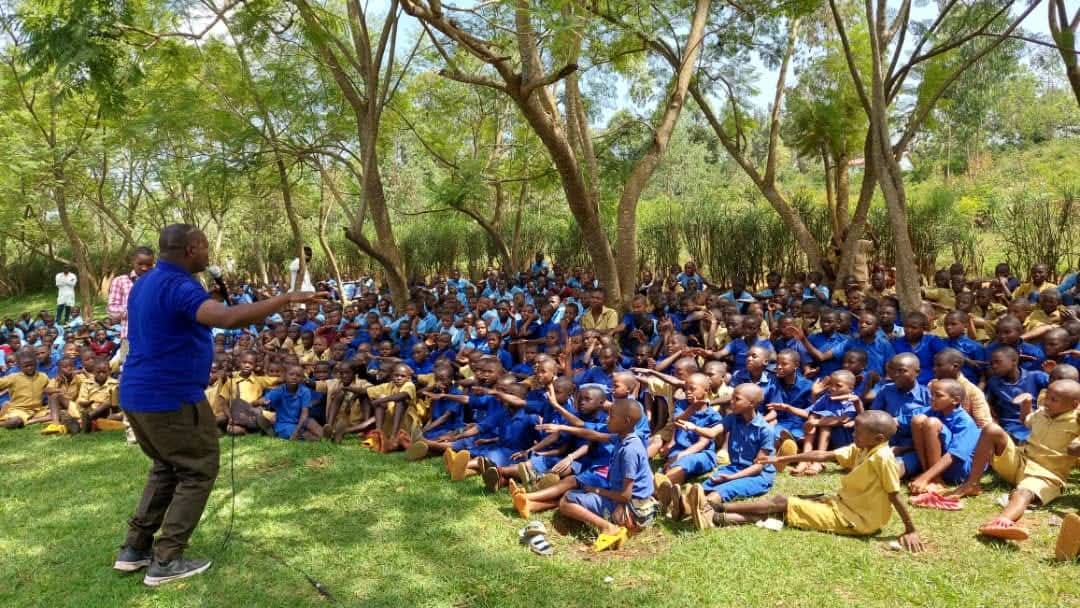
Community Outreach Brings Hope to Rural Families
Our team visited remote communities to provide material support and spiritual encouragement to families in need.
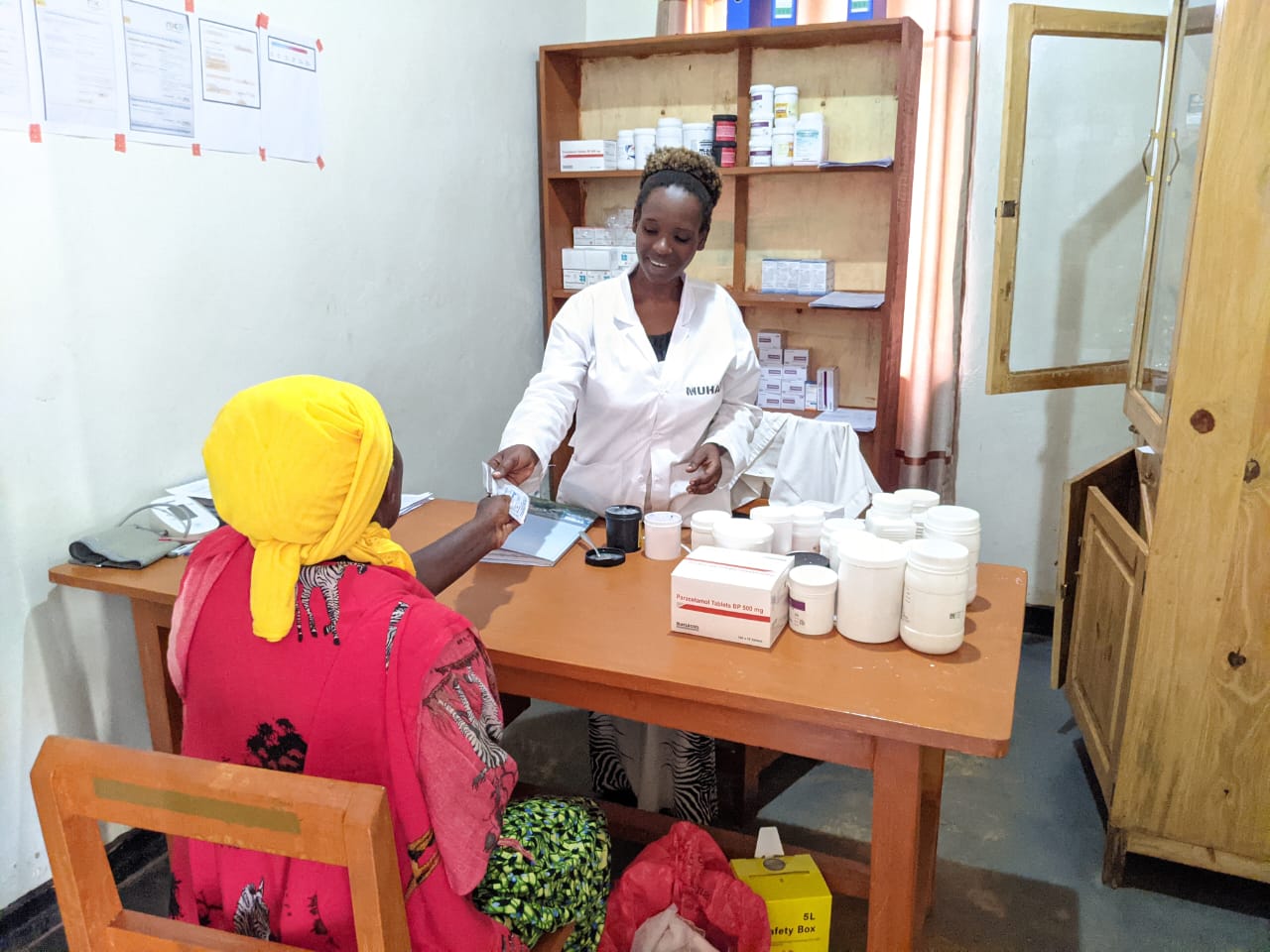
Hope for Muhamba: Supporting Rural Health and Families in Rwanda
Learn how International Samaritan’s Heart is improving healthcare, nutrition, and education in Muhamba, Rwanda.