By International Samaritan's Heart Rwanda | Inspired by Luke 10:30–37
The world is full of need — and it can feel overwhelming. We scroll through headlines of suffering, witness hardship in our own communities, and sometimes convince ourselves that real change requires extraordinary resources, platforms, or power that we simply do not possess.
But the parable of the Good Samaritan tells a different story.
The Samaritan did not wait for the perfect moment. He did not form a committee or require a title. He simply saw a wounded man, crossed the road, and did what he could — and that changed everything for the man lying in the dust.
At International Samaritan's Heart Rwanda (ISHR), we are moved by this same spirit. Our mission is rooted in Luke 10:30–37 — to reach the poor, the sick, and the suffering through practical acts of love in the Name of Jesus Christ. We believe that you — wherever you are, with whatever you have — can "go and do likewise" today.
Below are five simple, faith-rooted, and practical ways to start.
Table of Contents
- See the Person Others Have Passed By
- Give What You Already Have
- Speak Words That Restore Dignity
- Pray — and Then Act
- Partner with Others Who Are Already Serving
1. See the Person Others Have Passed By
The first act of love is simply to notice
The Levite and the priest both passed by the wounded man — not necessarily out of cruelty, but perhaps out of busyness, discomfort, or the fear of becoming involved. The Samaritan did something radical: he stopped. He looked. He saw.
In a world saturated with noise and distraction, one of the most powerful things you can do today is to slow down and truly see the people around you. It might be a neighbour you haven't greeted in months. It might be a colleague who always sits alone at lunch. It might be the market vendor who greets you every morning in Kigali, but never gets asked how they are.
Real compassion begins with attention. And attention is something every one of us has the capacity to give.
At ISHR, our core value of Compassion calls us to serve with love, kindness, and dignity. Dignity begins the moment we acknowledge another person's existence and humanity. Before you can give anything to someone in need, you must first practice the discipline of seeing them.
Why this matters more than you think
Research from the Greater Good Science Center at UC Berkeley shows that empathy the ability to truly notice and understand another person's experience is one of the strongest predictors of prosocial behaviour. In other words, people who genuinely see others are far more likely to help them.
"The King will reply, 'Truly I tell you, whatever you did for one of the least of these brothers and sisters of mine, you did for me.'" Matthew 25:40 (NIV)
Try this today: Identify one person in your life or community who is easily overlooked. Make eye contact. Greet them by name. Ask how they are doing — and mean it. That single act of recognition carries more weight than you may ever know.
2. Give What You Already Have
Generosity doesn't require wealth it requires willingness
The Good Samaritan used what he had: oil, wine, bandages, his donkey, and some silver coins. He did not produce something he did not possess. He simply opened his hands with what was already in them — and it was enough.
Many of us delay helping others because we are waiting until we have more. More money. More time. More stability. More expertise. But need rarely waits for the perfect moment, and neither should love.
The widow who gave two small copper coins gave more, Jesus said, than the wealthy who gave from their abundance (Mark 12:41–44). The measure of generosity is not the size of the gift — it is the size of the heart behind it.
Practical ways to give from what you have
This might look like:
- Sharing a meal with a neighbour who is struggling
- Donating clothing you no longer wear to a local relief organisation
- Contributing a modest sum to a trusted charity — even a small monthly gift adds up significantly over time
- Offering your skills — cooking, teaching, driving, building, sewing — to someone who needs them
- Giving your time by volunteering at a local church, school, or community programme
ISHR's core value of Stewardship reminds us to responsibly manage the resources entrusted to us. Everything you have been given is also a gift you are a steward of, for others. If you are looking for a trusted organisation to partner with, the Charity Navigator and Give Well directories are excellent resources for finding high-impact giving opportunities globally.
Try this today: Look around your home. Is there food you can share? Clothing someone else could use? A skill you can offer freely? Contact a local church or reach out to International Samaritan's Heart Rwanda to ask what is most needed right now — and then give it.
3. Speak Words That Restore Dignity
A kind word can be the beginning of someone's healing
Poverty, grief, illness, and suffering often carry a secondary wound: shame. People in desperate circumstances frequently feel invisible, judged, or unworthy of care. One of the most powerful — and most underestimated ways to help someone in need is to speak words of dignity, hope, and affirmation into their life.
The Gospel is, at its heart, a message about restored dignity. It declares that every human being — regardless of their background, their failures, or their circumstances — is made in the image of God and is deeply loved by Him. When we communicate that truth to someone who has forgotten it, we participate in something sacred.
You don't need eloquence you need sincerity
This does not require a theology degree or a counselling certificate. A sincere "I see you", a heartfelt "I am praying for you", or a simple "You matter" — spoken in truth and in love — can shift the atmosphere around a struggling soul.
According to Psychology Today, consistent expressions of kindness and affirmation have measurable effects on mental health, reducing anxiety and increasing a person's sense of belonging and self-worth. Words are not just nice gestures — they are tools of healing.
At ISHR, we believe in sharing the love of God through Jesus Christ in practical ways. Words are among the most practical tools we possess.
"Gracious words are a honeycomb, sweet to the soul and healing to the bones." — Proverbs 16:24 (NIV)
Try this today: Write a note, send a message, or make a phone call to someone you know is going through a hard season. Do not wait until you know exactly what to say. Honest, warm presence — even imperfect — is far more powerful than polished silence.
4. Pray and Then Act
Prayer without action is incomplete; action without prayer loses its foundation
We believe in the ministry of the Holy Spirit, who empowers believers to live godly lives and serve others. This means that our compassion should be rooted in prayer — and our prayers should overflow into action.
Too often, prayer can become a substitute for action rather than a launching pad for it. We pray for the hungry and then do nothing more. We pray for the sick — and walk away without offering any help. The Good Samaritan's compassion was profoundly physical: wounds were bandaged, a man was carried, a bill was paid. His love had hands and feet.
How to pray with purpose
At the same time, action without prayer can grow hollow — driven by guilt, performance, or the need to be seen. When we pray first, our service is shaped by God's heart rather than our own agenda. We ask not only "What can I do?" but "Lord, what do You want me to do?" — and then we step forward in faith to do it.
The 24-7 Prayer movement is an excellent global resource for learning how to pray with greater intentionality and depth, particularly for the poor and marginalised. The World Vision prayer guide also offers focused prayer resources for vulnerable communities around the world.
"Do not be anxious about anything, but in every situation, by prayer and petition, with thanksgiving, present your requests to God." —Philippians 4:6 (NIV)
Try this today: Take five quiet minutes to pray specifically for someone in need — by name if you know them. Ask God for clarity on how you can serve them. Then commit to taking one concrete step within 24 hours. Write it down. Do not let the moment pass without acting on it.
5. Partner with Others Who Are Already Serving
You do not have to do this alone
The Samaritan carried the wounded man to an inn and entrusted him to the innkeeper's care. He understood that sustained help requires community. He could not stay forever, but he ensured the man would be cared for. He built a bridge between the wounded and those equipped to help.
There are organisations, churches, and communities already doing the hard, faithful, daily work of serving the most vulnerable. Partnering with them through financial support, volunteering, prayer, or simply sharing their work — multiplies your impact far beyond what any individual could achieve alone.
Organisations making a difference
Here are some trusted global and regional organisations doing exceptional work for vulnerable communities:
- UNICEF — Children's rights and emergency relief globally
- World Vision — Child sponsorship and community development
- Doctors Without Borders / MSF — Emergency medical care in crisis zones
- Bible Society — Scripture access for underserved communities
- One Acre Fund — Agricultural support for farmers in East Africa, including Rwanda
At International Samaritan's Heart Rwanda, we are on the ground in Rwanda — reaching the poor, the sick, and the suffering with practical care and the message of Jesus Christ. Our vision is to see transformed communities where people live with hope, dignity, and the love of Christ.
We believe in the unity of believers and the mission of the Church to share the Gospel with all nations. When you stand with us by praying for our work, sharing our stories, volunteering, or contributing, you become part of a network of Good Samaritans reaching further than any of us could alone.
Try this today: Choose one organisation whose values align with your own. Follow them on social media. Share one of their posts. Volunteer your time or give financially, even a small amount. Every partnership strengthens the whole community of care.
Go and Do Likewise
The five ways we have explored in this post are not complicated. They do not require a degree, a platform, or a large bank account. They require something far more available — and far more powerful:
A willing heart.
Helping someone in need begins with a decision: to stop, to see, to give from what you have, to speak life, to pray and act, and to join your hands with others who care.
The world around you — in Kigali, across Rwanda, and far beyond is full of people waiting for their Good Samaritan. That person could be you. Not someday.
Today.
About International Samaritan's Heart Rwanda
International Samaritan's Heart Rwanda (ISHR) is a Christian humanitarian organisation committed to reaching the poor, the sick, and the suffering through practical acts of love in the Name of Jesus Christ. Guided by the parable of the Good Samaritan (Luke 10:30–37), ISHR provides spiritual and physical support to vulnerable communities in Rwanda and beyond.
Our Core Values: Compassion · Faith · Integrity · Service · Excellence · Stewardship
Our Vision: To see transformed communities where people live with hope, dignity, and the love of Christ.
Healthcare Access in Rural Rwanda: What We're Doing to Help
Compassion vs. Charity: Why the Difference Matters in Mission Work
Related Articles
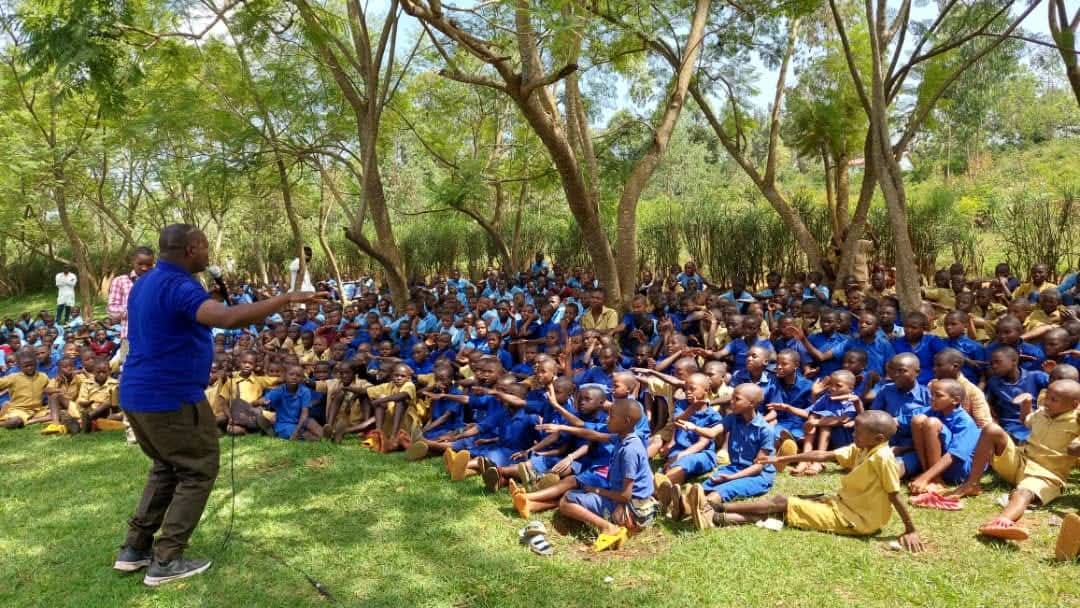
Community Outreach Brings Hope to Rural Families
Our team visited remote communities to provide material support and spiritual encouragement to families in need.
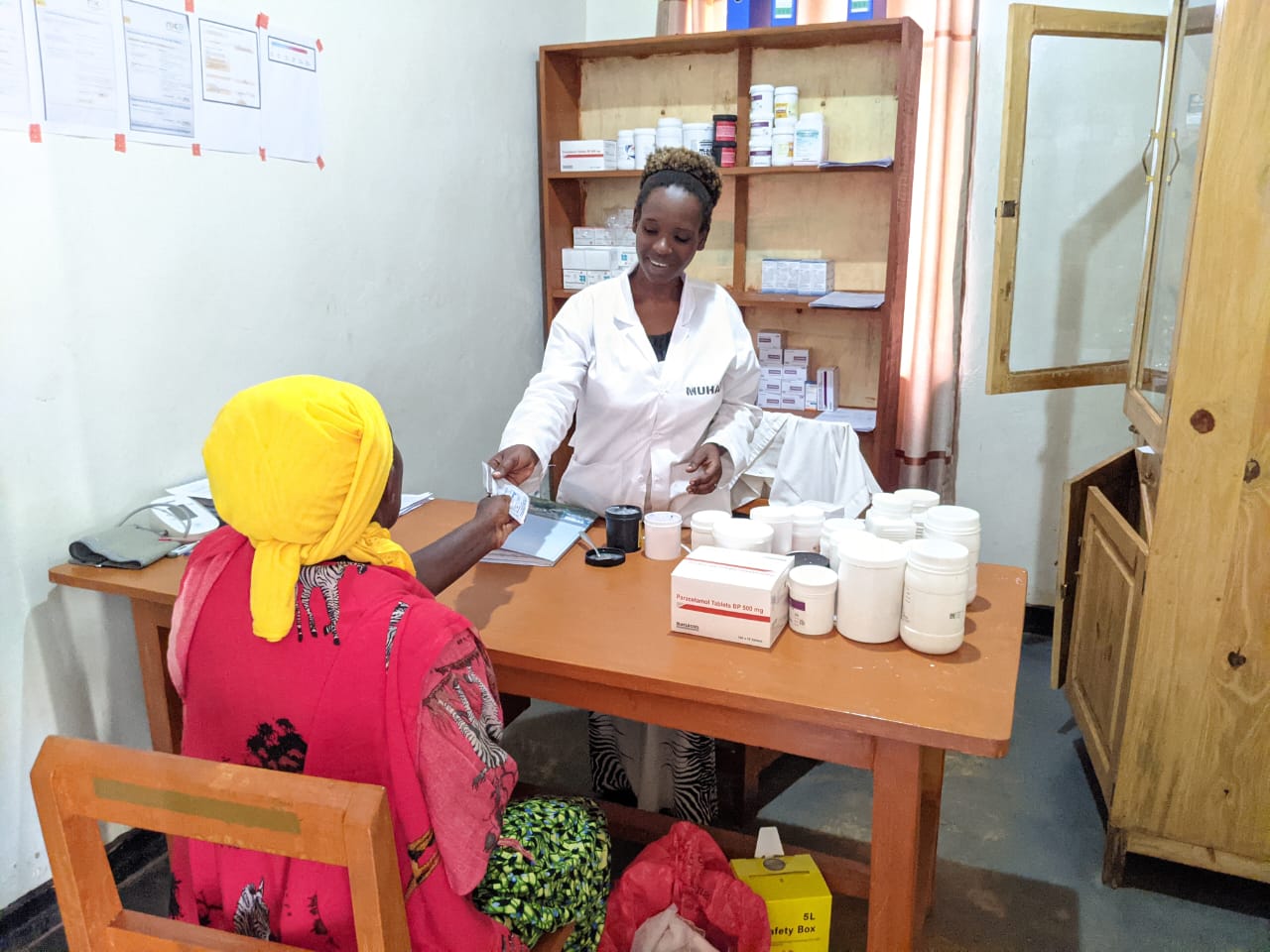
Hope for Muhamba: Supporting Rural Health and Families in Rwanda
Learn how International Samaritan’s Heart is improving healthcare, nutrition, and education in Muhamba, Rwanda.